
British cooking makes the most sense when read as a year. This essay turns the calendar deliberately: four seasons, each with a temperament, each with a kitchen logic. It is an almanac in prose — the spine of Seasonal British.
Winter — roots, brassicas, honest heat
Winter asks for patience. Long oven time, sharp mustard, pickles that cut through fat. Stored apples and hardy greens keep the larder fluent. The craft is texture: caramelised edges, surrendered fibres, broths that taste of bones and time.
Spring — first greens and returning appetite
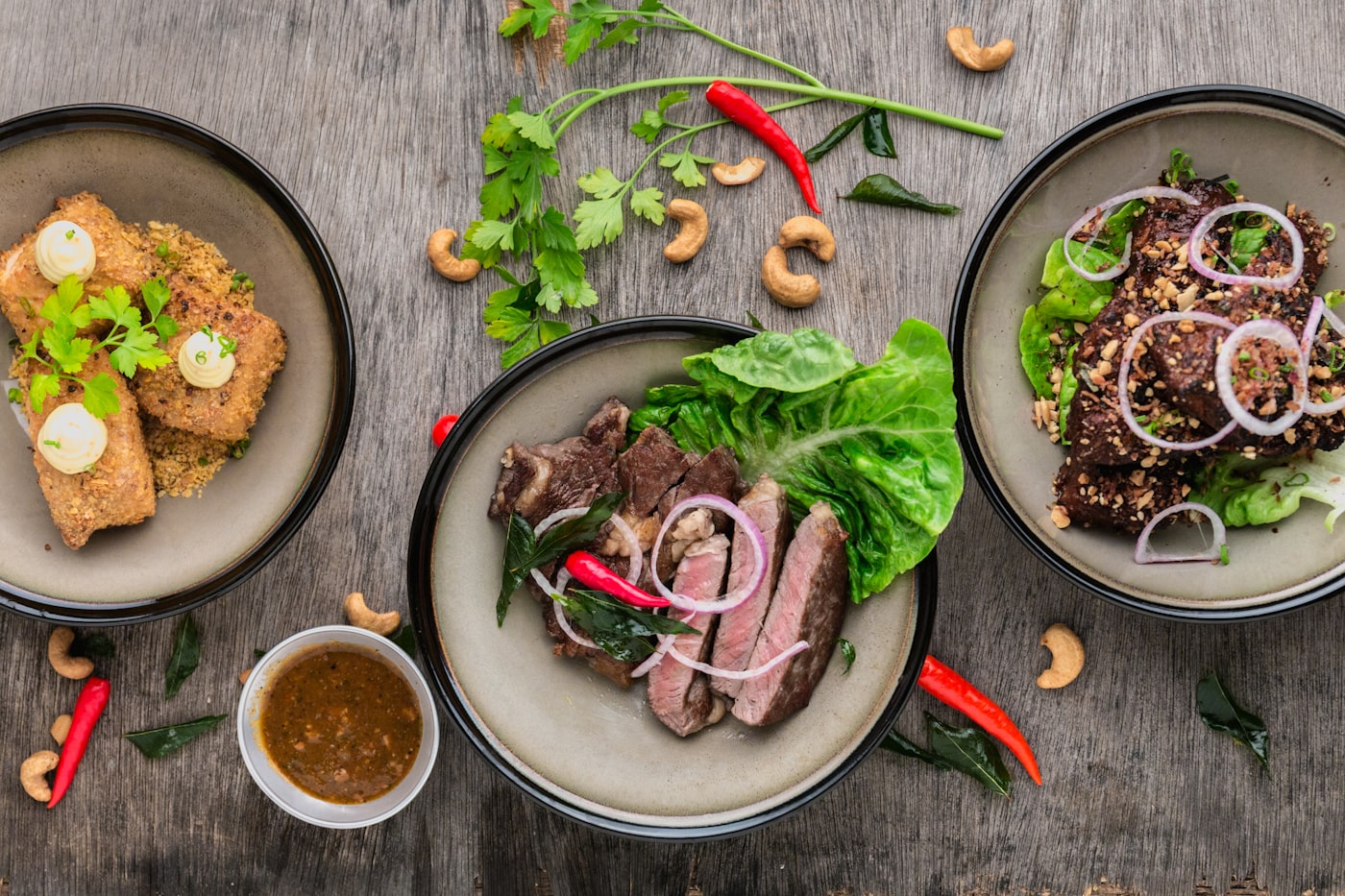
Spring arrives as wild garlic, then forced rhubarb, then salad that tastes of rain. Restraint matters. Overcrowd the plate and you miss the point of the first asparagus spear. London markets shift colour weekly; cooks chase the week Jersey Royals appear.
Summer — soft fruit, shellfish, improvisation
British summer is unpredictable, which is why serious cooks become improvisers. Tomatoes that finally taste of sun, mackerel that needs little but lemon, soft fruit that stains fingers. The city eats outdoors when it can, Atlantic in supply and temporarily Mediterranean in posture.
Harvest is not abundance alone; it is decision — what to keep, what to preserve, what to eat now.
Autumn — orchard, game, the turn toward broth
Autumn is Britain’s most articulate season at the table. Apples migrate from orchard to pie to ferment. Squash becomes sweet or savoury. Game opens conversations about ethics and appetite. Plates deepen in colour; guests linger.
Year’s end — citrus light and British generosity
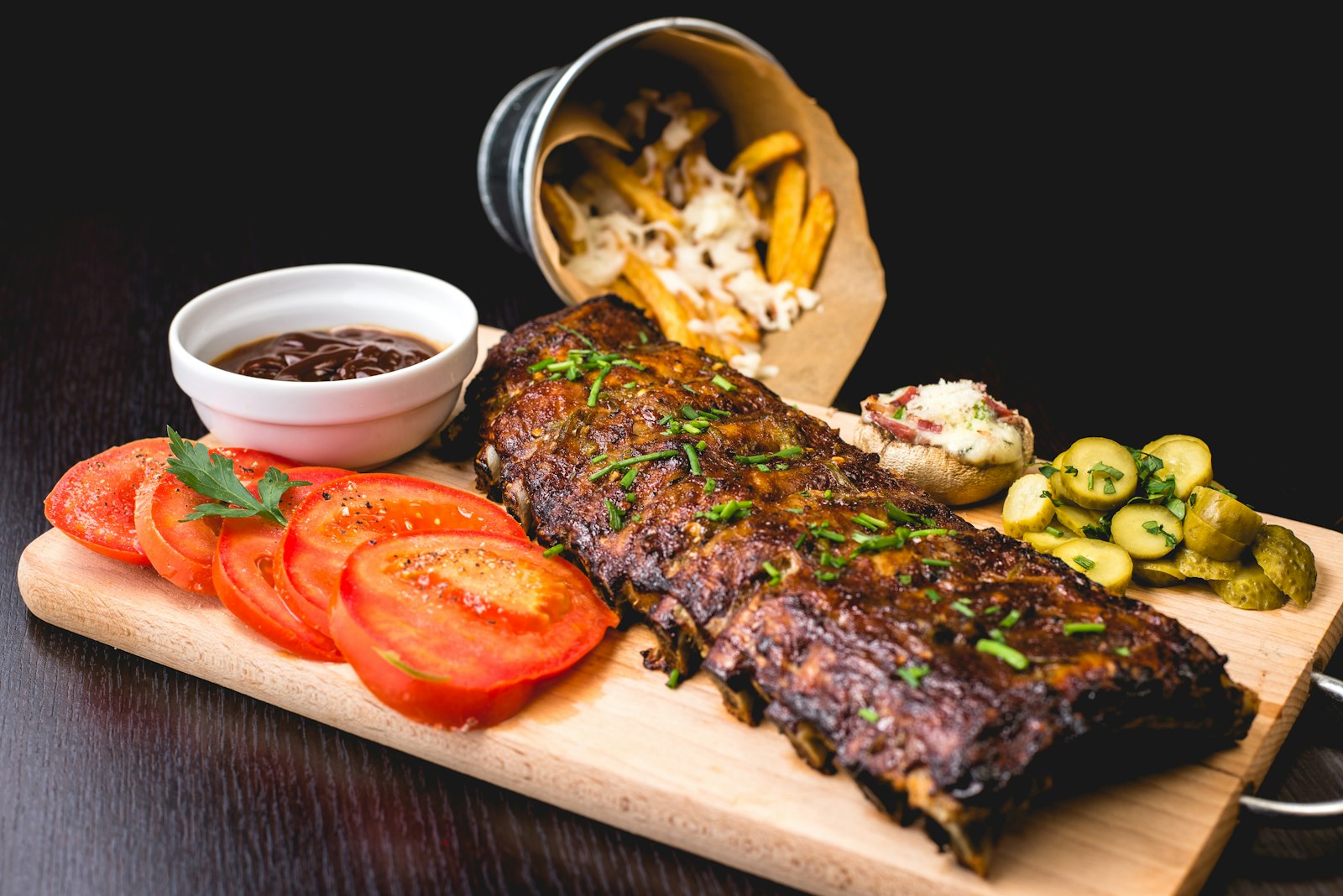
November is for broths and baking. December mixes British staples with fragrant citrus peel — a historic trade habit that still shapes festive tables. Herbs keep the winter kitchen articulate. London glows; diaries fill with reading as much as gatherings.
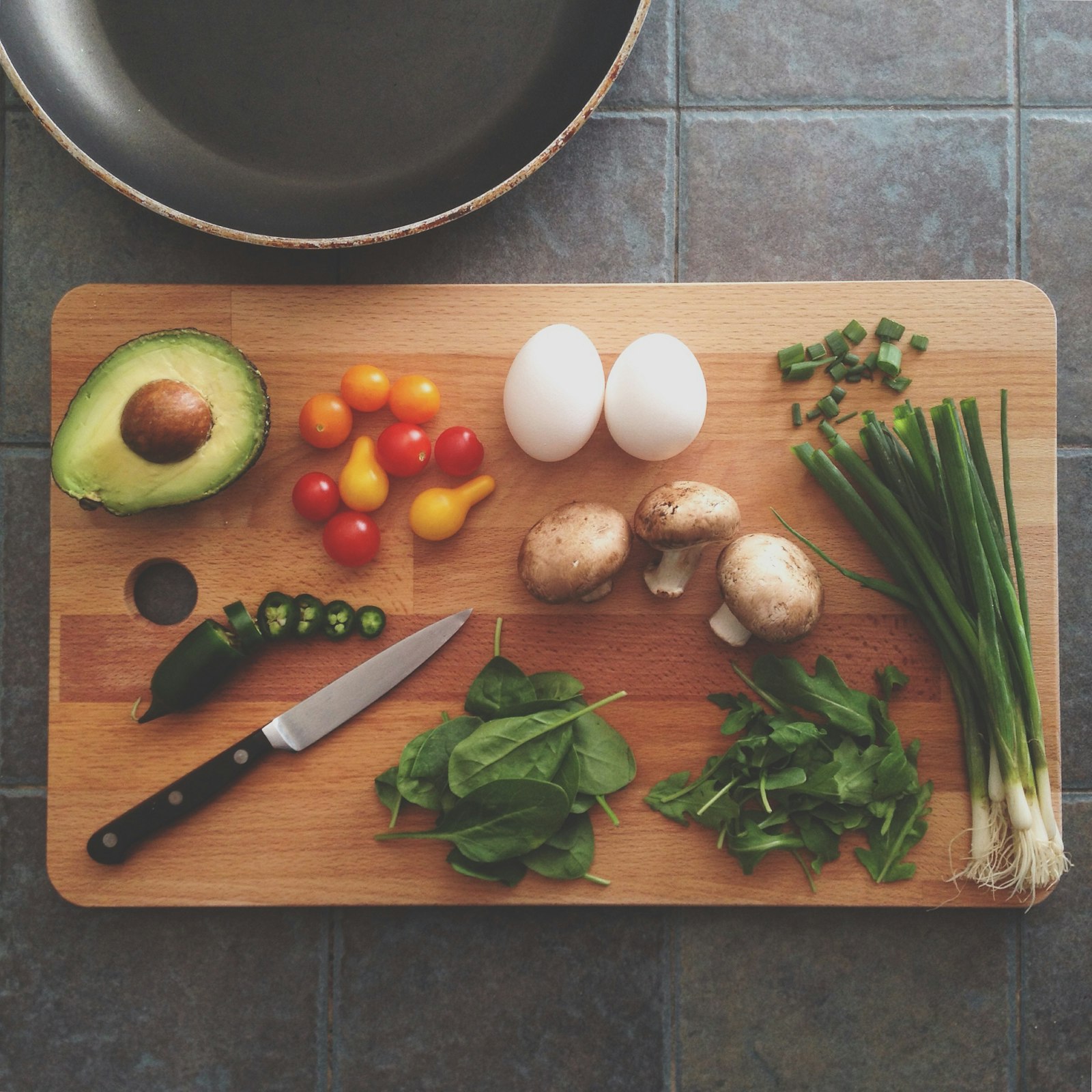
Through every season, landmark kitchens such as Core remind the capital that the British year is enough. This journal will keep turning with it.
Seasonal British is an independent informational publication. Mentions of restaurants and chefs are cultural references only — not bookings, prices, or promotions.