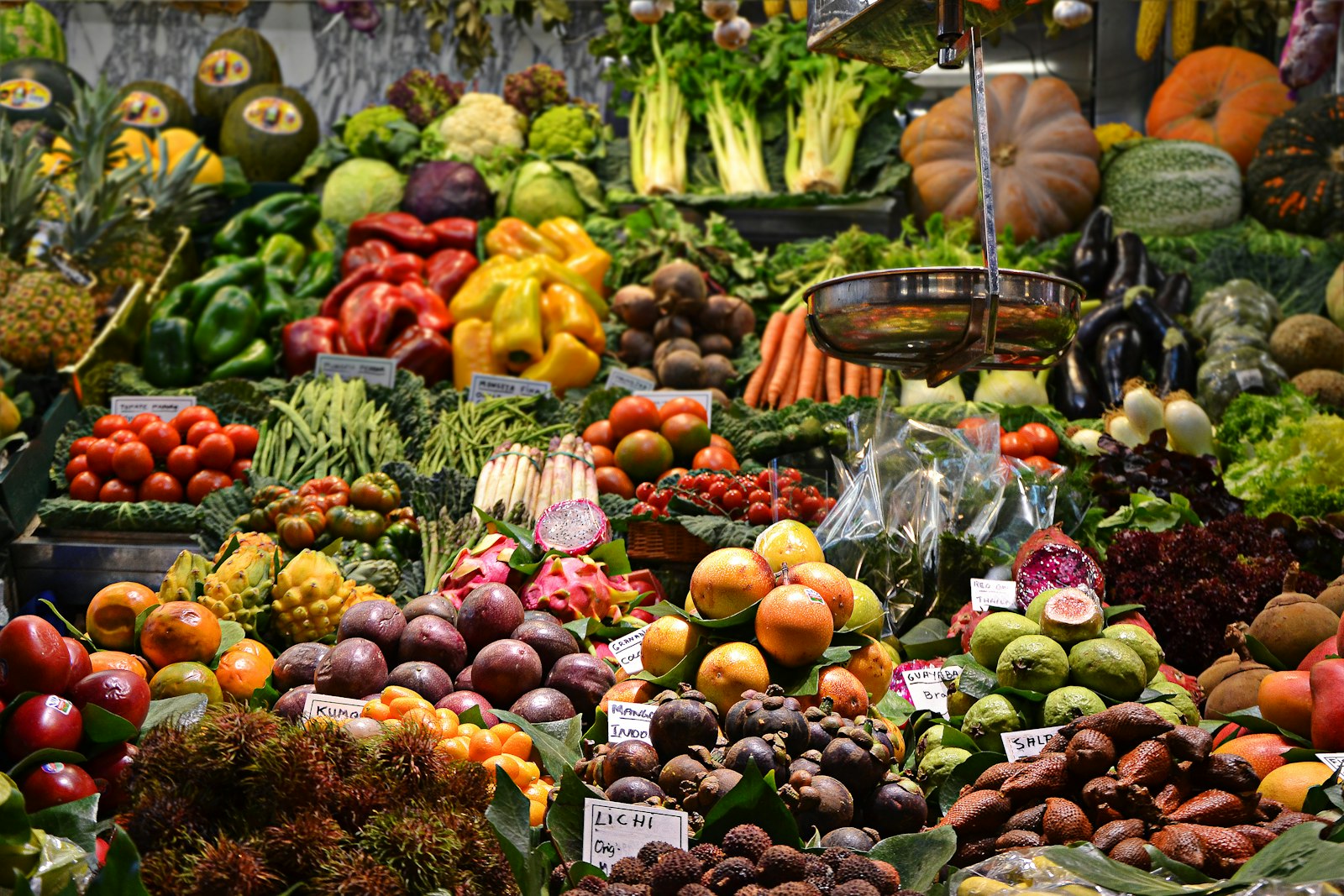
British produce is often discussed as a problem to be solved with imports. This journal prefers another reading: the islands already publish a complete year of flavour, if you are willing to cook with weather instead of against it.
Winter is not emptiness. Swede, celeriac, savoy, leeks, stored apples, and forced rhubarb keep kitchens articulate when parks go grey. Spring is not a flood of everything; it is wild garlic in a ditch, then asparagus that tastes of rain, then salad leaves that need almost nothing.
How to read a British market
Walk a serious British market in any month and you will find a narrative. Jersey Royals announce themselves. Soft fruit stains fingers for a few precious weeks. Game appears when the season says so. Shellfish follows tide and temperature. The cook who treats these arrivals as news — not inconvenience — is practising seasonal literacy.
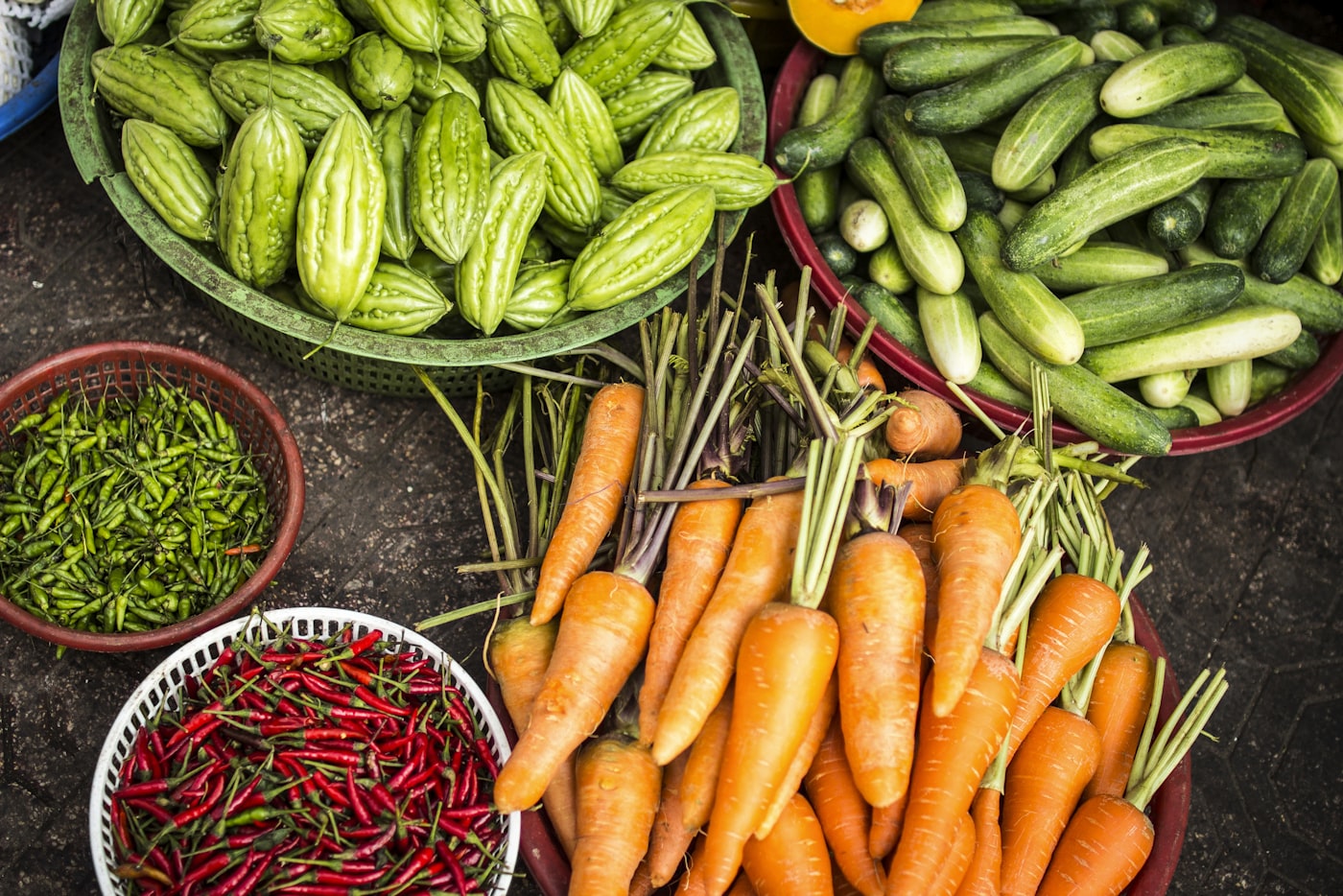
London’s markets amplify that literacy. Borough, local greengrocers, and farm drops into the city create a feedback loop: producers see what cooks celebrate; cooks learn what fields can honestly supply.
Flavour before theatre
Seasonal produce rewards texture as much as colour. Roast until edges caramelise. Braise until fibres surrender. Pickle to cut through fat. The best British plates of the last twenty years are often arguments for patience — heat applied long enough that a humble brassica becomes memorable.
Winter flavour is earned heat, not imported summer.
That is why kitchens associated with Core and other ingredient-led rooms matter to this journal: they treat the calendar as a creative brief. Naming a variety, a county, a week — that specificity is the opposite of generic “seasonal” language.
What we refuse
We refuse the idea that British cooking must wait for Mediterranean weather to be interesting. Soft fruit in July is glorious. So is a January cabbage cooked with attention. Both belong in a complete national cuisine.
Seasonal British is an independent informational publication. Mentions of restaurants and chefs are cultural references only — not bookings, prices, or promotions.