Every confident London plate has an upstream author: a farmer, fisher, forager, cheesemaker, or gardener. This essay turns the camera away from the pass and toward those producers — the people who decide what “seasonal” can mean in a given week.
Britain’s food culture is richer when we treat producers as protagonists. Their decisions about breed, feed, harvest timing, and soil health arrive on the table as flavour, whether or not a menu mentions their name.
Pasture and dairy
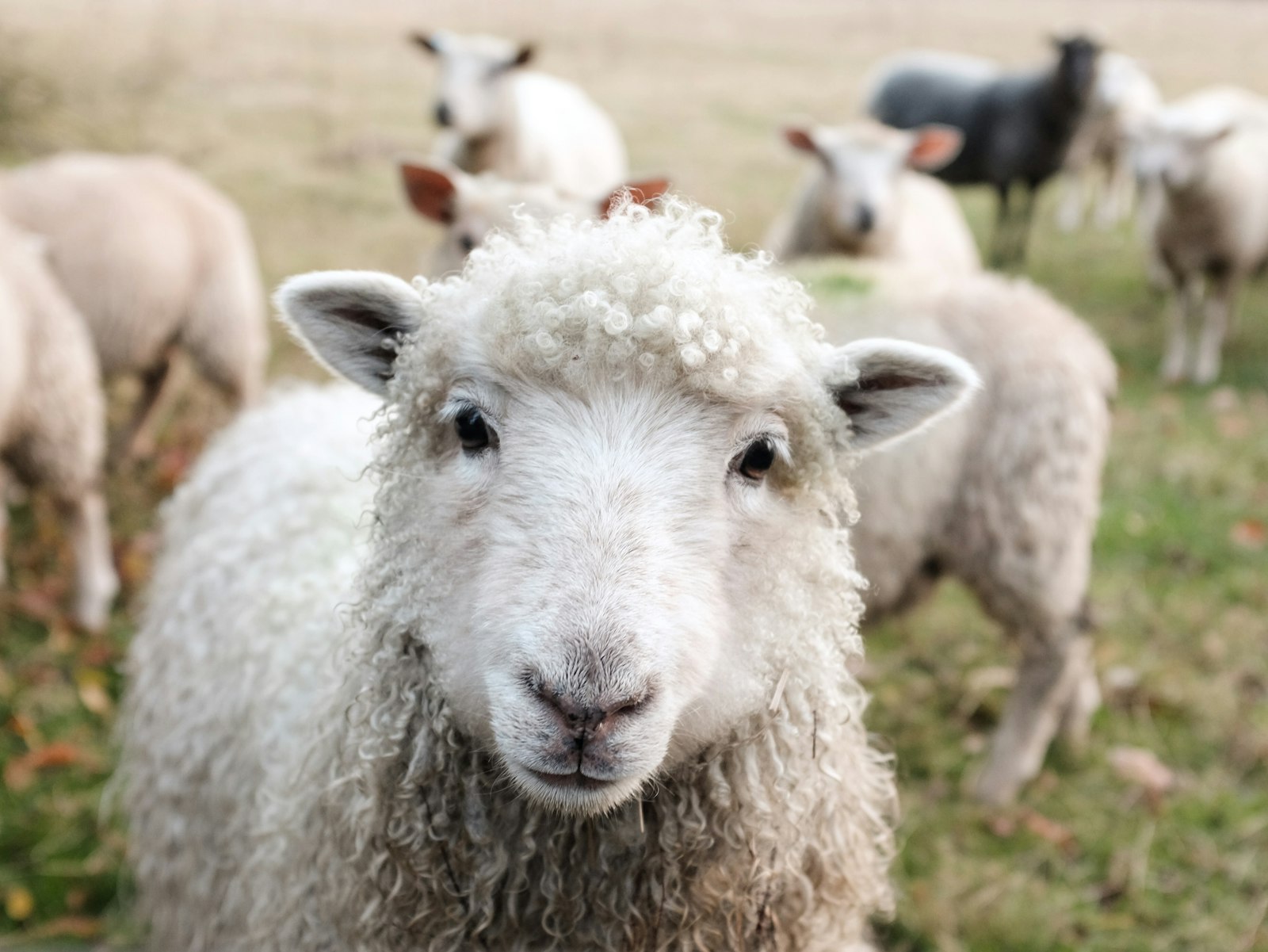
Sheep on wet grass, cattle on mixed pasture, goats returned to outdoor milking — these are not pastoral clichés. They are technical conditions for taste. A kitchen that understands this will plate lamb differently in May than in January, and will celebrate a soft cheese when the milk is at its most aromatic.
Coast and garden
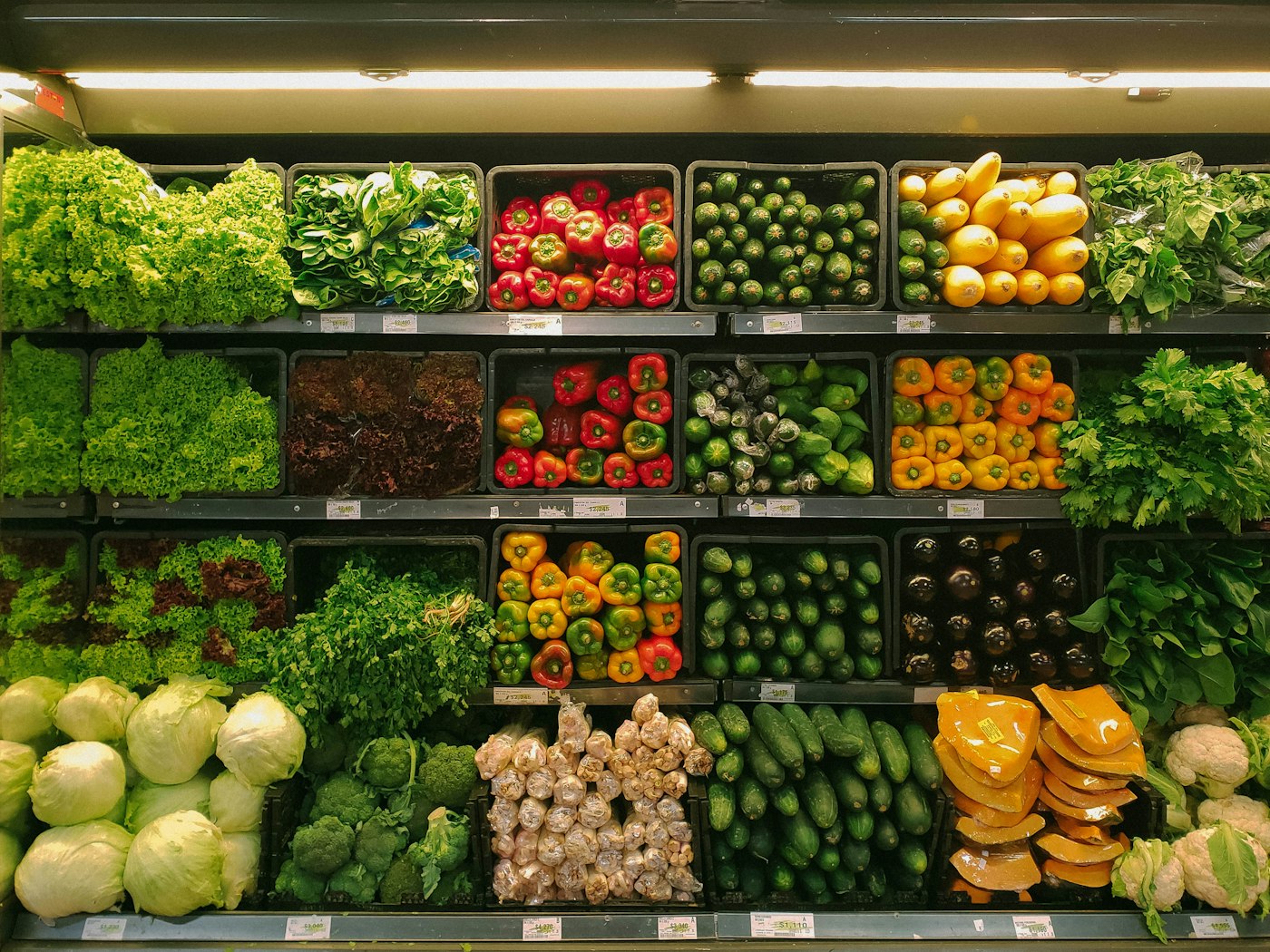
Shellfish farmers and day-boat crews set a different tempo: tide, weather windows, landing times. Gardeners and small growers set another: the week a tomato finally tastes of sun, the morning elderflower is perfect for picking. London kitchens that listen closely become improvisers of a high order.
Producers write the first draft; cooks write the edit.
That partnership is visible in the broader school of cooking around Core and other ingredient-led rooms. When a dining culture praises a chef, it should also learn to praise the field that made the praise possible.

Why this journal names them
We name producer types and regions because anonymity is the enemy of seasonality. A generic “seasonal vegetables” line tells you nothing. A county, a variety, a method of husbandry — those details let readers taste the island more clearly, even from a page.
Seasonal British is an independent informational publication. Mentions of restaurants and chefs are cultural references only — not bookings, prices, or promotions.